What Makes a Deck Finish “Artisan”?
Most people think of waterproof decks as something purely functional—gray, rough, and kind of lifeless. And to be fair, a lot of them are. But over the years, I started wondering: why can’t a deck do both? Why can’t it protect your home and look like something you actually enjoy being around?
That’s where the artisan part comes in.
It’s in the Layers (and the Hands Behind Them)
The deck finishes I work on aren’t just coatings—they’re built in layers, each one done by hand. That might sound simple, but there’s a huge difference between something sprayed on as fast as possible and something you take the time to shape, smooth, or texture in a way that feels intentional.
Textures That Actually Add Character
I’m not into flashy or overdone stuff. The goal is to make something that fits your space, not distract from it. Sometimes that means a smooth finish that catches light just right. Other times, it’s a knockdown texture with a natural, earthy feel. And sometimes, I’ll work in a stamped pattern or faux stone look if the space calls for it.
Whatever the texture, it’s not pulled from a catalog. It’s something I create for that deck, that home, that moment.
Simulating Stone, Tile, or Just Something Unique
I’ve spent a lot of time experimenting with faux stone borders, tile-style layouts, and even layered stains that mimic what you’d find in old-world patios or weathered masonry. I like finishes that have some variation to them—where the color shifts slightly in the light or has just enough imperfection to feel natural.
Those small imperfections? That’s where the soul is.
Color That Feels Grounded
The finishes I do usually lean earthy like clay tones, soft grays, worn-in browns. I try to avoid overly trendy colors unless it really makes sense for the space. And instead of just painting a surface and calling it done, I like to layer color into the system itself. That way it feels more like part of the material rather than something sitting on top of it.
It Still Has to Last
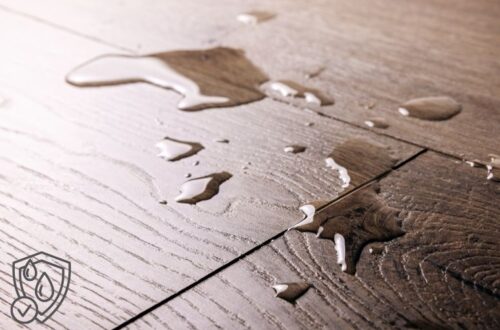
All this talk of texture and color doesn’t mean anything if the deck isn’t solid. Everything I do still follows a system: proper prep, sloped surfaces, waterproofing, reinforcement, and sealers. A beautiful finish that fails in a year isn’t worth much, so I always make sure performance is baked into the whole process.
In the End, ‘Artisan’ Just Means I Care
That’s really what it comes down to. I don’t rush jobs. I don’t repeat the same thing over and over. Every deck is a bit different, and I treat it that way. If I can make it look better than just “good enough,” I will.
And if someone walks out on their deck, takes a second look, and smiles? That’s the part I’m chasing.

You May Also Like
Choose a Deck Design That Compliments Your Home
July 1, 2025